
The Smoky History of Barbecue: From Ancient Roots to Tennessee Tables

Nothing says Tennessee like the smell of slow-smoked meat drifting through the air—whether it's ribs from Memphis, pulled pork from a backyard pit, or that sweet, tangy sauce we love here in Pikeville. At The Butter Dish TN, barbecue isn't just food; it's a tradition that brings people together for family gatherings, holidays, and everyday comfort. But have you ever stopped to think about where this beloved cooking style came from? The history of BBQ is rich, layered with cultural influences from Indigenous peoples, enslaved Africans, European settlers, and regional ingenuity that turned a simple method into an American icon. Let's trace the smoky journey from its origins to the plates we enjoy today.

Ancient Beginnings: The Birth of "Barbacoa"
The story starts long before America was a country. The word "barbecue" traces back to the Taíno people of the Caribbean, who used the term barbacoa to describe a wooden framework raised over a fire for slow-cooking meat over indirect heat. This method preserved meat, infused it with smoke, and kept it tender—perfect for tropical climates.
Spanish explorers like Christopher Columbus and Hernando de Soto encountered this technique in the 1500s and brought it to the Americas. By the 1600s, it had spread to what would become the United States, where early colonists adopted pit-cooking over trenches or open flames. The first recorded mentions of "barbecue" in English appear in the late 1600s, and by the 1700s, George Washington himself attended "barbicues" in Virginia—communal feasts that were already a social tradition.
The Southern Evolution: Influences and Innovations
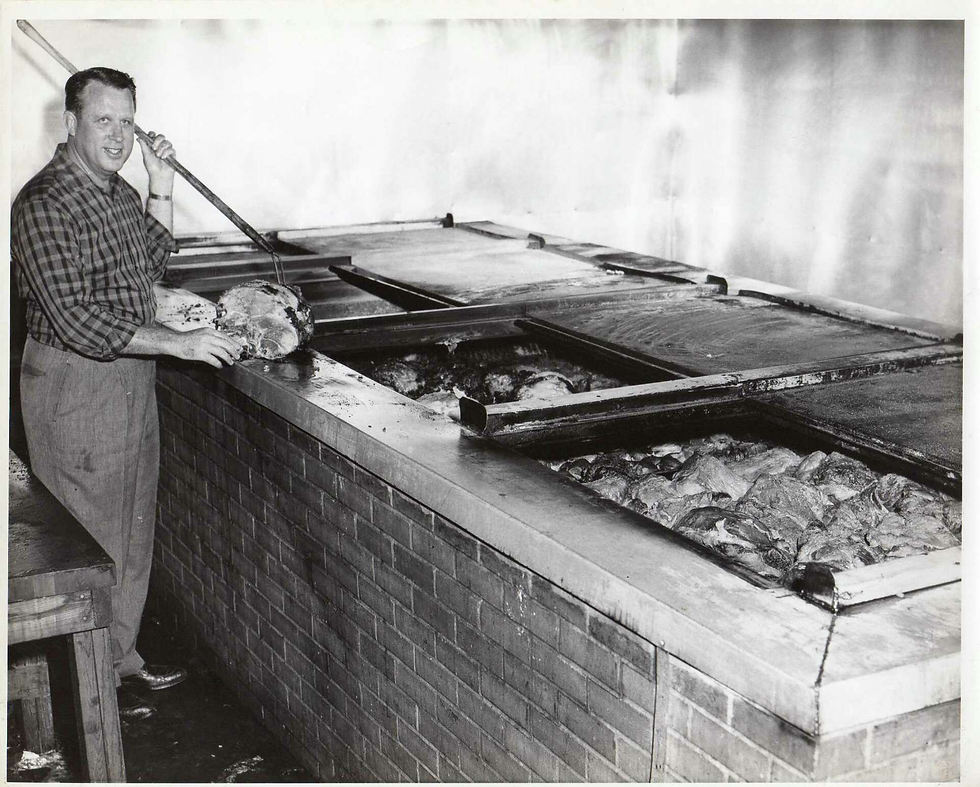
In the American South, barbecue truly took root and evolved. Indigenous pit-cooking blended with techniques brought by enslaved Africans, who were often the pitmasters on plantations and in communities. They perfected low-and-slow smoking over hardwood, using whatever meats were available—often pork, as pigs were cheap, prolific, and easy to raise.
European settlers added their twists: vinegar-based sauces from the Carolinas, molasses and tomato influences from trade ports. By the 19th century, barbecue had become a staple of Southern life—community events, political rallies, and family celebrations all centered around the pit.
The Four Major Regional Styles: America's BBQ Belt
As barbecue spread westward and adapted to local ingredients and tastes, distinct styles emerged. These four are the most recognized:
Carolina Style (especially Eastern and Western North Carolina): Whole hog or pork shoulder, slow-smoked and pulled. Eastern uses a tangy vinegar-pepper sauce; Western adds a bit of tomato for sweetness. This is one of the oldest styles, rooted in colonial Virginia and the Carolinas.
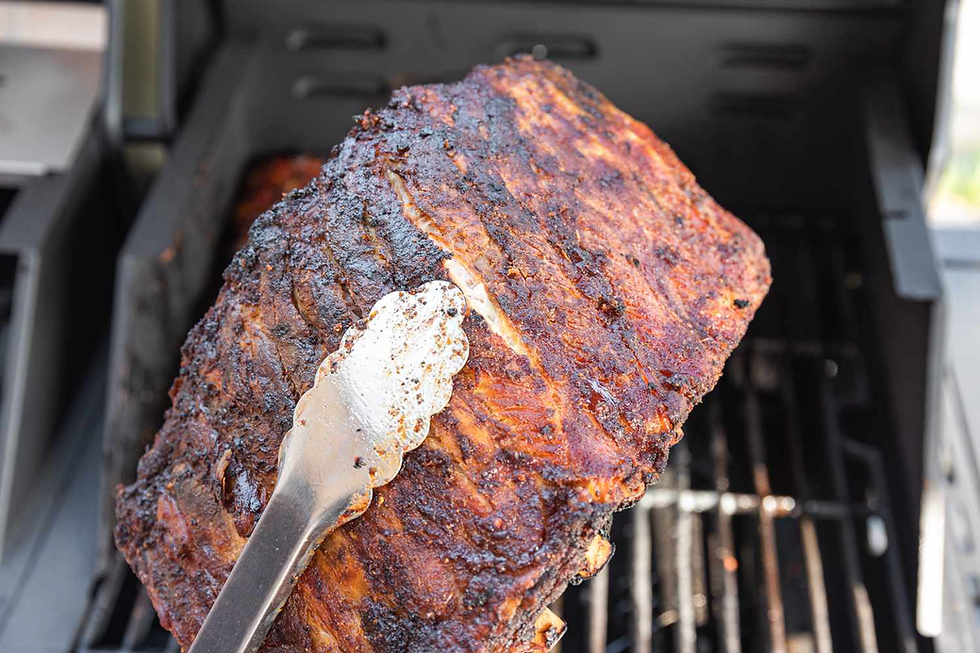
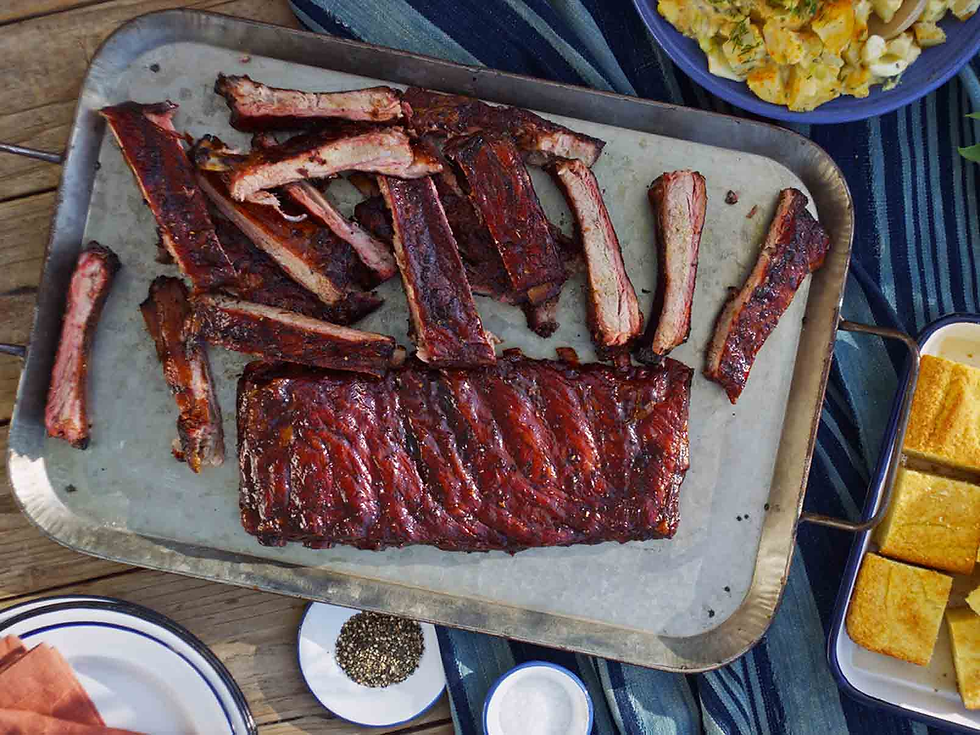
Memphis Style (right here in Tennessee!): Pork-centric, with ribs and pulled pork shoulder taking center stage. Famous for dry rubs (often heavy on paprika and garlic) applied before smoking, and a choice of "dry" (just rub) or "wet" (sauced) ribs. Memphis's port location brought in molasses and spices, creating that signature sweet-tangy tomato-based sauce.
Texas Style: Beef rules—especially brisket—slow-smoked with simple salt-and-pepper rubs and minimal sauce (often served on the side). German and Czech immigrants in the 1800s influenced the focus on beef cattle ranching.
Kansas City Style: The melting pot, featuring a variety of meats (pork, beef, even burnt ends) slathered in thick, sweet, molasses-tomato sauces. It evolved from Memphis roots when Henry Perry moved there in the early 1900s and opened one of the first BBQ spots.
These styles reflect geography, available meats, trade routes, and cultural exchanges—proving barbecue is as diverse as America itself.
Tennessee's Special Place in BBQ History
Tennessee sits right in the heart of the BBQ belt, with its own rich traditions. Memphis-style is world-famous, thanks to legends like Charlie Vergos' Rendezvous (dry-rubbed ribs since the 1940s), Leonard's Pit Barbecue, and the annual Memphis in May World Championship Barbecue Cooking Contest. In East Tennessee, places like Ridgewood Barbecue (since 1947) serve thinly sliced smoked ham or pork with a thick, sweet sauce—Appalachian comfort at its best.
Here in Middle and East Tennessee, we see a mix: pulled pork, ribs, and sauces that balance tangy vinegar with tomato sweetness. Community barbecues have long been part of our culture, from pioneer days (Davy Crockett even wrote about them!) to modern family cookouts.
Why BBQ Endures
Barbecue is more than cooking—it's about patience, smoke, community, and flavor born from necessity and creativity. From Indigenous techniques to enslaved pitmasters' mastery to regional rivalries, it's a story of cultural fusion that tastes incredible.
At The Butter Dish TN in Pikeville, we honor that history with every smoked dish we serve. Whether you're craving Memphis-style ribs or a simple pulled pork sandwich, barbecue connects us to the past while filling our plates today.
What's your favorite BBQ style or local spot? Memphis dry ribs, Texas brisket, or something from right here in Tennessee? Share in the comments or tag us on social with your smoky creations—we'd love to see (and smell!) them! 🔥🍖


Comments